

Data center energy consumption: current status and Cefla’s role
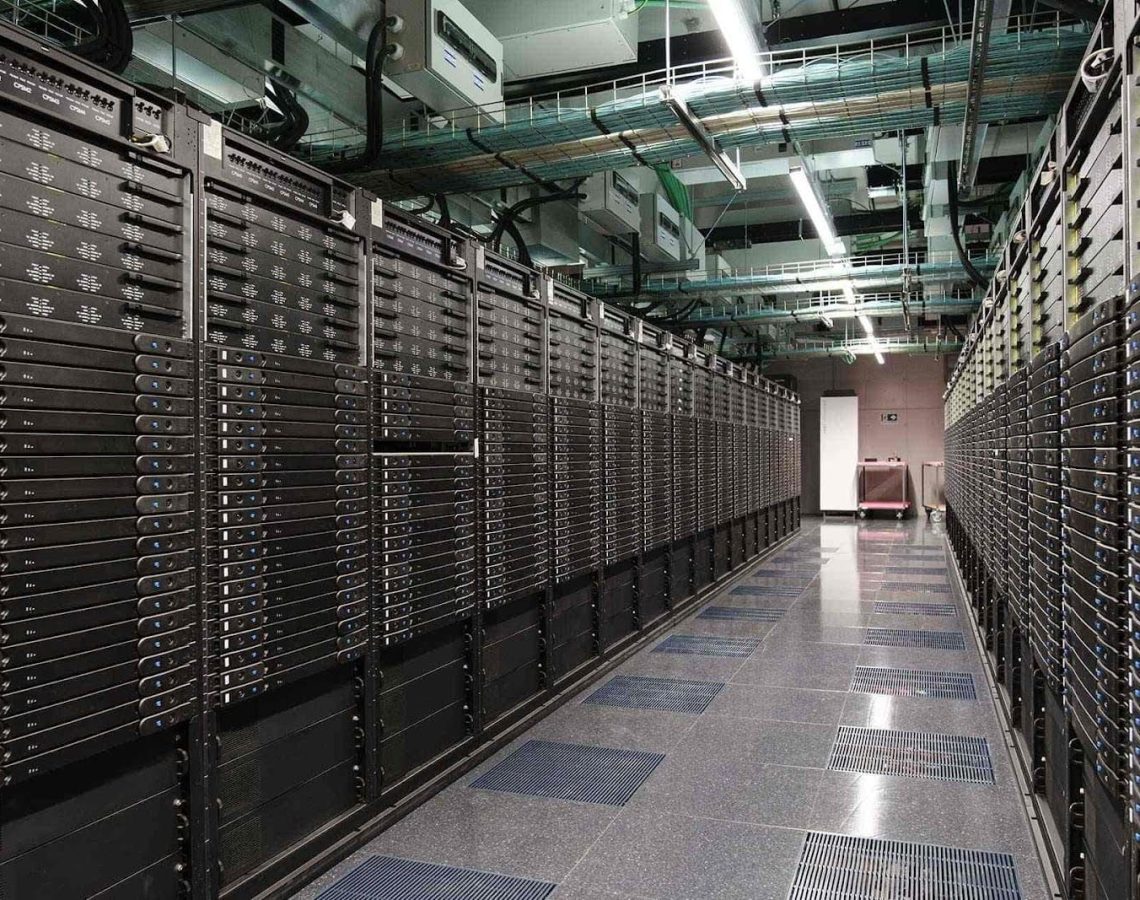
Data centers are the operational heart of the digital economy: they enable cloud services, enterprise applications, streaming platforms, artificial intelligence, and the continuity of IT processes. Behind this infrastructure, however, lies a reality that is often underestimated: keeping these environments up and running, secure, and stable requires vast amounts of energy. Today, data center energy consumption is high and represents one of the sector’s main cost drivers and areas of concern. Furthermore, the push toward digitalization and the increased computing power required by new services suggest that this consumption will continue to grow in the future, making a responsible and sustainability-oriented approach even more urgent.
In this article, we at Cefla aim to provide a clear overview of data center energy consumption and its implications, to help readers understand why energy efficiency has become a strategic requirement today.
Data center consumption: why it’s increasing
Data center energy consumption is on the rise because demand for digital services is growing steadily and, above all, because the adoption of artificial intelligence is accelerating. AI workloads require high computing power and intensive resource utilization, with infrastructure designed to process large volumes of data quickly and maintain consistent levels of availability.
At the same time, power density in server racks is increasing: ever-more-powerful servers and advanced computing systems are concentrating more energy into less space, generating more heat that needs to be dissipated. This leads to an increase not only in “IT” energy consumption but also in the energy required to maintain optimal operating conditions, through cooling and environmental control systems designed to ensure stability and safety.
Another key factor is the need for operational continuity. Many data centers must ensure resilience, reduce the risk of downtime, and maintain high levels of reliability; for this reason, they incorporate redundancies and support systems (power supply, uninterruptible power supply, power distribution, and security) that contribute to overall energy consumption. In this context, energy management becomes central to supporting the growth of digital technology and AI in an efficient and sustainable manner.
What factors influence a data center’s energy consumption?
A data center’s energy consumption depends primarily on the power required by its IT equipment: servers, storage systems, and network devices that process and transfer data. As performance requirements, computing density, and machine utilization rates increase, so does the amount of energy needed to power the digital infrastructure.
In addition to IT equipment, a significant portion of energy consumption is attributable to support systems, which are essential for ensuring the proper operation of the data center. In particular, cooling and environmental control systems play a major role, as they must maintain temperature and humidity within strict, consistent parameters, preventing fluctuations that could compromise the reliability of the equipment.
Another key factor is the design of the power supply and continuity systems: UPS units, transformers, distribution panels, and backup systems introduce inherent losses and, depending on the required levels of redundancy, can significantly increase the amount of energy consumed by the site.
Finally, energy consumption is also influenced by how the data center is designed and managed over time: layout and cabling, the quality of control and monitoring systems, maintenance, equipment efficiency, and the ability to promptly identify waste and critical issues (such as hotspots). In short, energy consumption is not determined by a single factor, but by the combined result of technology, infrastructure, and operational management.
Data center energy consumption: key statistics you need to know
To truly understand the energy impact of these facilities, it is helpful to start with some key figures. A medium-sized data center can consume as much energy as approximately 1,000 apartments, or about 2.7 million kWh per year: a stark comparison that makes it clear why energy consumption is now a central consideration in investment and design decisions.
In Italy, for example, there are approximately 3,000 data centers, and their total power consumption is close to 1 GW. This scale helps illustrate just how much these facilities impact the country’s electricity demand and energy planning. On a broader scale, globally, data centers account for a significant share of electricity consumption: generally speaking, they are estimated to consume about 1–2% of the world’s electricity (a figure that can vary depending on the methodologies and scopes considered). In Europe, data centers are considered a growing sector and are often cited as accounting for around 2–3% of electricity consumption, with expected increases driven by the expansion of the cloud and the adoption of computationally intensive workloads.
Another key figure concerns the breakdown of energy consumption: in addition to the energy used directly by IT equipment, a significant portion is consumed by “non-IT” systems that enable the data center to operate safely and continuously. Among these, cooling often plays a predominant role, as it must dissipate the heat generated by the servers and maintain constant environmental conditions to prevent operational risks.
Finally, it is important to remember that energy consumption is not just a matter of cost; it also has an environmental impact, depending on the energy mix used. For this reason, the issue today is not simply “how much energy a data center consumes,” but also how the energy needed to ensure service continuity is produced and managed.
Cefla’s role in the data center industry
Data on data center energy consumption helps paint a clear picture: energy is one of the most critical factors in the operation of these facilities, both in terms of operating costs and the environmental impact associated with electricity generation. In this context, sustainability cannot be treated as an afterthought but must be a core design criterion encompassing the entire lifecycle of the data center: from initial engineering decisions through to day-to-day operations, where even minor deviations can lead to waste and operational issues.
This is where Cefla, and specifically the Cefla Engineering Business Unit, steps in as a partner for the design, construction, and management of critical infrastructure. From consulting and engineering design to EPC (Engineering, Procurement & Construction) implementation, and on to maintenance and facility management services, we support operators, investors, and companies in the development of new data centers and the retrofitting of existing facilities. A data center, in fact, is not just about IT: in addition to servers, storage, and networking, reliable technological systems are needed to ensure consistent operating conditions (climate control and environmental monitoring), power continuity (UPS and distribution), security, and fire protection. The ability to integrate these systems in accordance with industry requirements and standards, with appropriate levels of reliability (including TIER-based standards), is what makes it possible to combine performance and continuity.
Alongside design and construction, energy efficiency is becoming an increasingly central focus: reducing waste, optimizing consumption, and maintaining site performance over time requires an approach based on data, monitoring, and advanced management. This is where en.vision comes in, Cefla Engineering’s Energy & Data Management platform, which enables the monitoring of energy and plant parameters and supports optimization and predictive management strategies, with the goal of improving efficiency and reliability over time.
Conclusions
In conclusion, data center energy consumption is high and set to rise, driven by the growth of digital services and increasingly demanding workloads. In this context, it is essential to take concrete action: efficient design, advanced energy management, and solutions capable of reducing environmental impact without compromising operational continuity.
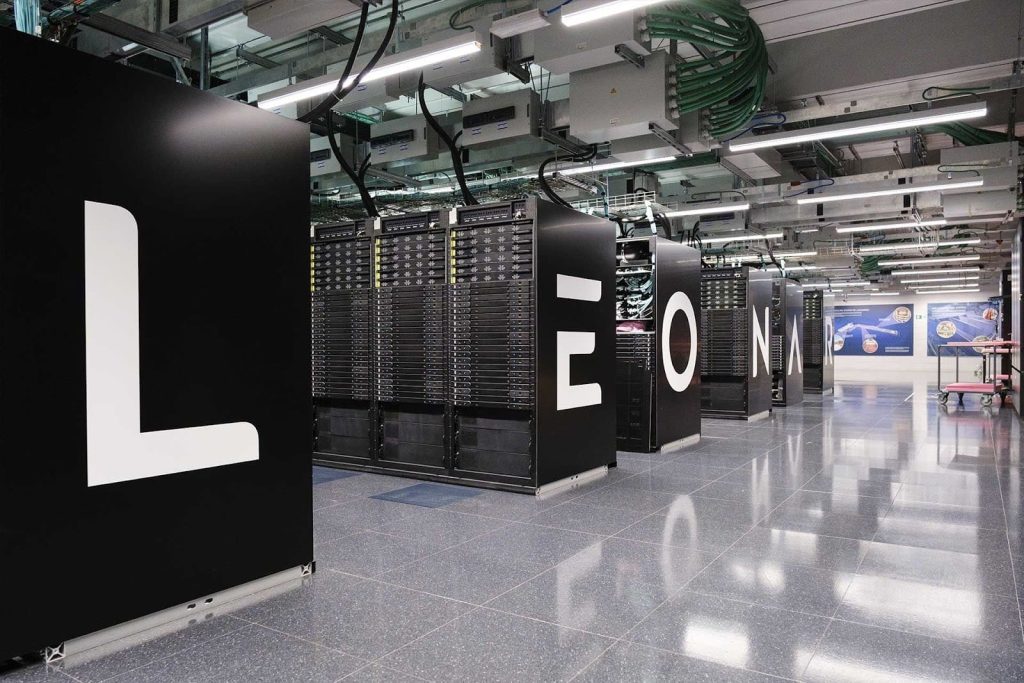
At Cefla, through our Cefla Engineering Business Unit, we support companies, operators, and investors throughout the entire data center lifecycle. This experience has also led us to contribute to landmark projects such as the CINECA Data Center at the Bologna Technology Park in Italy.
Would you like to learn more or discuss a project? Contact us now for more information!